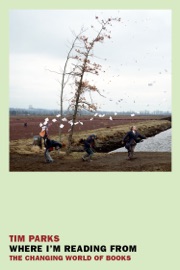
Why do we need fiction? Why do books need to be printed on paper, copyrighted, read to the finish? Do we read to challenge our vision of the world or to confirm it? Has novel writing turned into a job like any other? In Where Iām Reading From, the novelist and critic Tim Parks ranges over decades of critical readingāfrom Leopardi, Dickens, and Chekhov, to Virginia Woolf, D. H. Lawrence, and Thomas Bernhard, and on to contemporary work by Peter Stamm, Alice Munro, and many othersāto upend our assumptions about literature and its purpose.
In thirty-seven interlocking essays, Where Iām Reading From examines the rise of the āinternationalā novel and the disappearance of ānationalā literary styles; how market forces shape āseriousā fiction; the unintended effects of translation; the growing stasis of literary criticism; and the problematic relationship between writersā lives and their work. Through dazzling close readings and probing self-examination, Parks wonders whether writersāand readersācan escape the twin pressures of the new global system and the novel that has become its emblematic genre.
Why do we need fiction? Why do books need to be printed on paper, copyrighted, read to the finish? Do we read to challenge our vision of the world or to confirm it? Has novel writing turned into a job like any other? In Where Iām Reading From, the novelist and critic Tim Parks ranges over decades of critical readingāfrom Leopardi, Dickens, and Chekhov, to Virginia Woolf, D. H. Lawrence, and Thomas Bernhard, and on to contemporary work by Peter Stamm, Alice Munro, and many othersāto upend our assumptions about literature and its purpose.
In thirty-seven interlocking essays, Where Iām Reading From examines the rise of the āinternationalā novel and the disappearance of ānationalā literary styles; how market forces shape āseriousā fiction; the unintended effects of translation; the growing stasis of literary criticism; and the problematic relationship between writersā lives and their work. Through dazzling close readings and probing self-examination, Parks wonders whether writersāand readersācan escape the twin pressures of the new global system and the novel that has become its emblematic genre.